Get Energy Assessment Service
Energy Assessment Services help property owners identify energy inefficiencies and recommend improvements for projects like insulation upgrades, heating system upgrades, and building envelope repairs.
Energy assessment services provide property owners with valuable insights into how their buildings use and manage energy. Conducting an assessment can help identify opportunities for improving efficiency, reducing energy consumption, and enhancing overall comfort. For those planning renovations, upgrades, or new construction projects, understanding a property’s current energy performance is a practical step toward making informed decisions and optimizing long-term results.
Property owners in the area might explore energy assessment services to compare local contractors who specialize in evaluating and advising on energy use. Connecting with trusted service providers can support planning efforts and ensure that the work aligns with specific property needs. Continuing to read can help identify the right professionals to assist with your energy-related goals.
- Energy Assessment - homeowners may need this service to identify areas where their property is losing energy.
- Building Energy Audit - property owners might seek this work when evaluating overall energy efficiency of a commercial or residential building.
- Home Energy Evaluation - individuals considering upgrades or renovations often require this assessment to inform their decisions.
- Energy Performance Inspection - businesses may need this service to ensure their facilities meet energy use standards.
- Energy Efficiency Consultation - property owners may contact local contractors to develop strategies for reducing energy consumption.
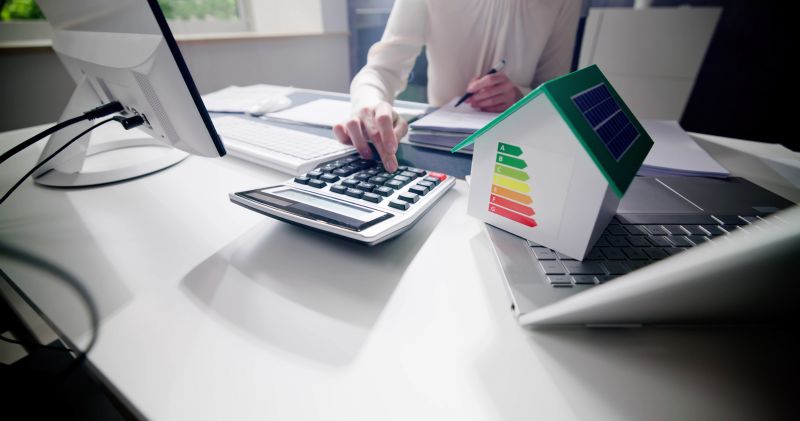
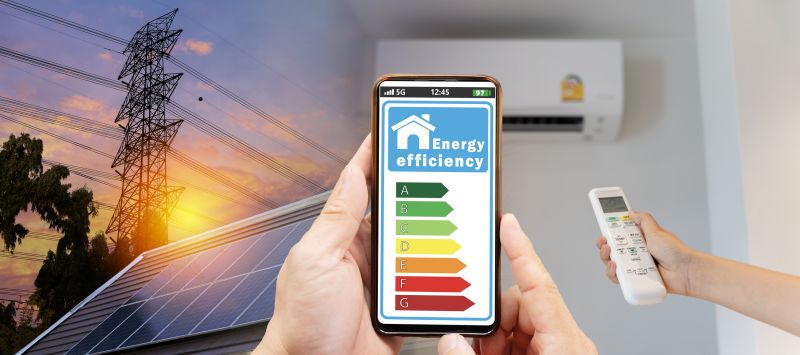
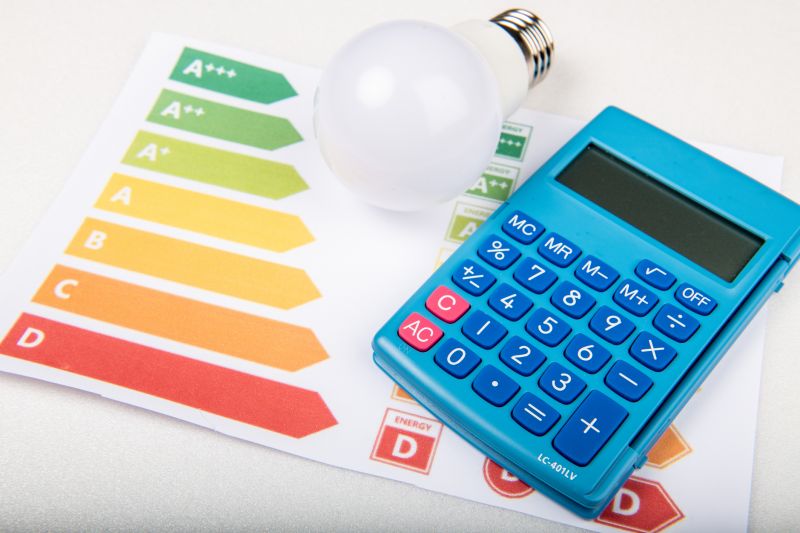
Energy assessment services involve a thorough evaluation of a property's energy use and efficiency. These assessments typically include analyzing heating and cooling systems, insulation levels, windows, and overall building design to identify areas where energy is being lost or wasted. By pinpointing inefficiencies, homeowners can better understand how their property consumes energy and where improvements can be made. Many service providers utilize specialized tools and techniques to gather detailed data, helping to create a clear picture of the property's energy performance.
This service helps address common problems such as high utility bills, uneven temperatures, drafts, and poor insulation. A comprehensive energy assessment can reveal hidden issues like air leaks, inadequate insulation, or outdated HVAC systems that contribute to increased energy consumption. Identifying these problems allows homeowners to make informed decisions about upgrades or repairs that can lead to reduced energy costs and improved comfort. In many cases, an energy assessment acts as a first step toward making cost-effective improvements that enhance the property's efficiency.
Properties that typically benefit from energy assessment services include older homes, buildings with inconsistent temperatures, or residences experiencing rising utility costs. Newer homes may also undergo assessments to ensure they meet energy performance goals or to identify potential improvements. Commercial properties and multi-family buildings can also be evaluated to optimize energy use across larger spaces. Homeowners who want to better understand their energy consumption or are considering upgrades often find these services valuable for planning future improvements and investments.
When considering an energy assessment, homeowners should look for local contractors experienced in evaluating residential or commercial properties. These service providers can conduct detailed inspections, identify energy inefficiencies, and recommend practical solutions tailored to the specific property. Getting a professional assessment can help homeowners prioritize upgrades that will have the most impact on energy savings and comfort, making it easier to take targeted action toward a more efficient and comfortable home or building.
The overview below groups typical Energy Assessment Service projects into broad ranges so you can see how smaller, mid-sized, and larger jobs often compare in your area.
In many markets, a large share of routine jobs stays in the lower and middle ranges, while only a smaller percentage of projects moves into the highest bands when the work is more complex or site conditions are harder than average.
Smaller Repairs - Typical costs for routine energy assessments range from $250-$600. Many standard inspections fall within this band, covering basic evaluations of home or small commercial properties.
Mid-Size Projects - More comprehensive assessments for larger homes or commercial spaces usually cost between $600-$1,200. These projects often include detailed reports and recommendations, with fewer jobs reaching higher prices.
Whole-Building Evaluations - Full-scale energy audits for extensive properties can range from $1,200-$3,000. Larger, more complex projects tend to push into the higher end of this range, though most fall in the middle.
Larger, Complex Projects - In rare cases involving extensive data collection or specialized testing, costs can exceed $5,000. These are typically for large commercial facilities or multi-site assessments, which are less common.
Actual totals will depend on details like access to the work area, the scope of the project, and the materials selected, so use these as general starting points rather than exact figures.
Building Inspections - professionals who evaluate building structures and systems, which shares skills in assessing energy efficiency and identifying improvement opportunities.
HVAC System Optimization - service providers who analyze and improve heating, ventilation, and air conditioning systems, requiring similar planning and diagnostic skills as energy assessments.
Indoor Air Quality Testing - experts who assess air quality levels, utilizing tools and techniques comparable to those used in energy evaluations to identify areas for efficiency gains.
Lighting Efficiency Audits - contractors who analyze lighting systems for energy savings, involving planning and evaluation methods akin to energy assessment processes.
Renewable Energy Site Assessments - specialists who evaluate locations for solar or wind installations, applying similar site analysis and planning skills as in energy assessments.
Home Performance Evaluations - service providers who conduct comprehensive assessments to improve overall home energy efficiency, closely related to energy assessment services.
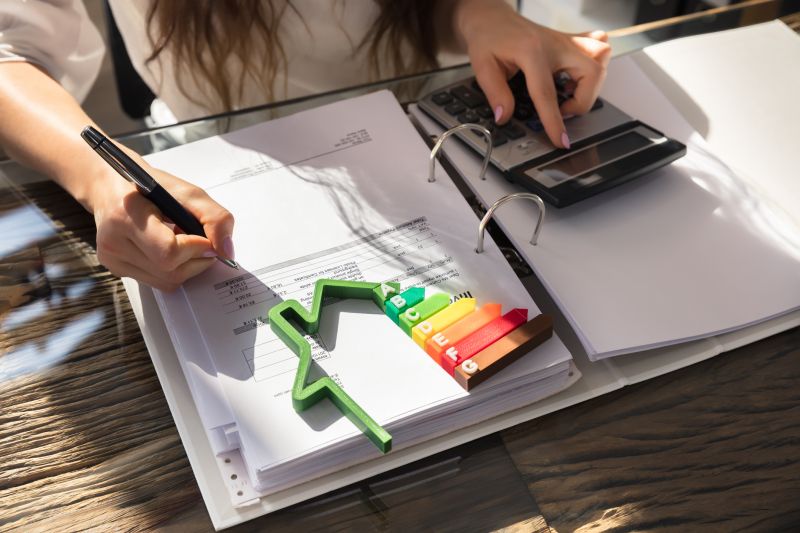
When comparing service providers for Energy Assessment Services, it’s important to consider their experience with similar projects. Homeowners should look for local contractors who have a proven track record of handling assessments comparable to their specific needs. Asking about the types of properties they have worked on and the scope of previous assessments can provide insight into their familiarity with the process and the particular challenges that may arise. Experience with similar projects can help ensure that the assessment is thorough and that the recommendations are relevant to the home’s unique characteristics.
Clear, written expectations are essential when evaluating potential service providers. Homeowners should seek detailed descriptions of what the assessment will include, what deliverables to expect, and any steps involved in the process. Having this information in writing helps prevent misunderstandings and ensures everyone is aligned on the scope of work. Reputable local contractors will typically provide transparent information about their services, making it easier to compare options and choose a provider that clearly communicates what will be done and what the homeowner can anticipate.
Reputation and communication are key factors when selecting a local service provider. Homeowners can ask for references or reviews from previous clients to gauge the quality of the work and the level of professionalism. Good communication throughout the process-such as responsiveness, clarity in explanations, and willingness to answer questions-can make the experience smoother and more predictable. It’s important to remember that this site introduces homeowners to local options and does not perform the work itself; therefore, evaluating the reputation and communication practices of each contractor is a vital step in making an informed choice.
Property owners use Energy Assessment Service services for practical projects around their homes and businesses. This guide focuses on everyday jobs and straightforward project options.
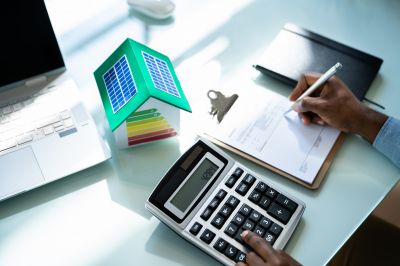
Energy assessment services are often sought after by property owners who want to identify ways to improve their home's efficiency and reduce energy bills. Whether it's noticing higher-than-expected utility costs, experiencing drafts, or simply wanting to understand how energy is used throughout the property, many individuals look for professional evaluations to pinpoint areas where energy loss might be occurring. Local contractors specializing in energy assessments can provide detailed insights that help homeowners make informed decisions about upgrades or modifications.
Additionally, property owners may consider energy assessments when planning renovations or upgrades to ensure their investments lead to better energy performance. Homeowners who are preparing to sell might also seek these services to improve their property's appeal and compliance with local standards. Service providers in the area are equipped to handle these projects, offering assessments that can highlight potential improvements and help property owners take practical steps toward more efficient energy use.
What is an energy assessment service? An energy assessment service evaluates a property's energy usage to identify areas where energy efficiency can be improved, helping homeowners and businesses reduce waste and optimize performance.
How do local contractors perform energy assessments? Local contractors conduct on-site evaluations, inspecting insulation, heating and cooling systems, and building envelopes to determine energy efficiency levels and recommend improvements.
What are the benefits of scheduling an energy assessment? An energy assessment can reveal opportunities for energy savings, enhance comfort, and potentially lower utility bills by identifying and addressing inefficiencies.
Are energy assessment services suitable for all types of buildings? Yes, energy assessments can be tailored for residential, commercial, and industrial buildings to provide insights specific to each property's energy usage.
How can I find qualified service providers for energy assessments? This platform helps connect with local contractors experienced in performing energy assessments, allowing comparisons to find the right professional for specific needs.
Energy Efficiency Improvements - Property owners can identify areas where upgrades like insulation or window sealing may reduce energy waste and lower utility bills.
Heating and Cooling Optimization - Assessments can reveal ways to improve the performance of HVAC systems for more consistent and efficient climate control.
Environmental Impact Reduction - Homeowners might explore options to make their property more energy-efficient, decreasing overall environmental footprint.
Long-term Cost Savings - Understanding a property's energy usage can guide decisions that lead to ongoing savings on energy expenses.
If you are thinking about Energy Assessment Service for a property, this guide is meant to help you understand the work, the typical project types, and how different options might fit your plans.
When you are ready, you can use the quote form on this page to share a few details about your project. From there, local pros can review the basics and respond with options that match what you have in mind.